
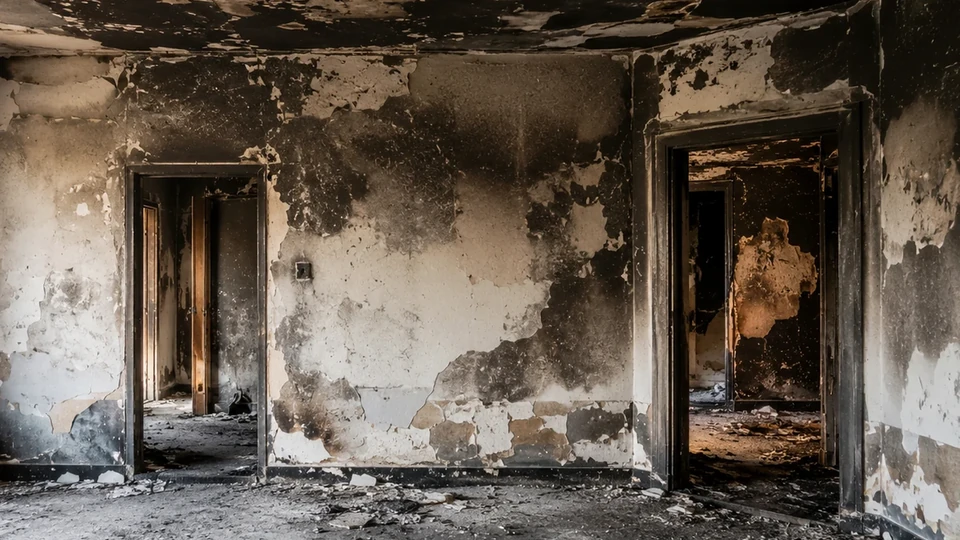
After a fire, the electrical system may be both a possible source of the incident and an object of secondary damage. Melted wires alone are therefore insufficient for a conclusion about the cause. The examination requires consideration of the fire's seat of origin, the direction in which damage spread, the condition of protective devices and case materials.
Which objects may be examined
- cable and wire fragments;
- sockets, switches and connecting devices;
- circuit breakers and electrical panel components;
- electrical equipment in the suspected area of origin;
- photographs and diagrams showing the objects' locations.
What to preserve before examination
Where possible, preserve the position and relative arrangement of damaged components, photographs taken before clearing, fire and emergency service records, installation documents and information about equipment operation before the incident.
Why the sequence of damage matters
Thermal signs may arise before active burning or from exposure to an already developed fire. To distinguish them, the location and nature of the damage and the condition of contacts and protective devices are compared with other materials.
Examples of technical questions
- whether the objects show signs of an electrical fault process;
- whether the damage identified could have arisen secondarily during the fire;
- whether the materials provided are sufficient for a conclusion about the cause;
- which additional examinations or objects are required.
Work at a fire scene is carried out only after authorization by the competent services and establishment of safe conditions. Damaged components should not be separated or cleaned independently before documentation.