
Short circuit
The location of the damage, the condition of connections, cables and protective devices, and available signs of thermal exposure are analyzed.
Examination of short circuits, overheating, melting, voltage surges and damage after water ingress.
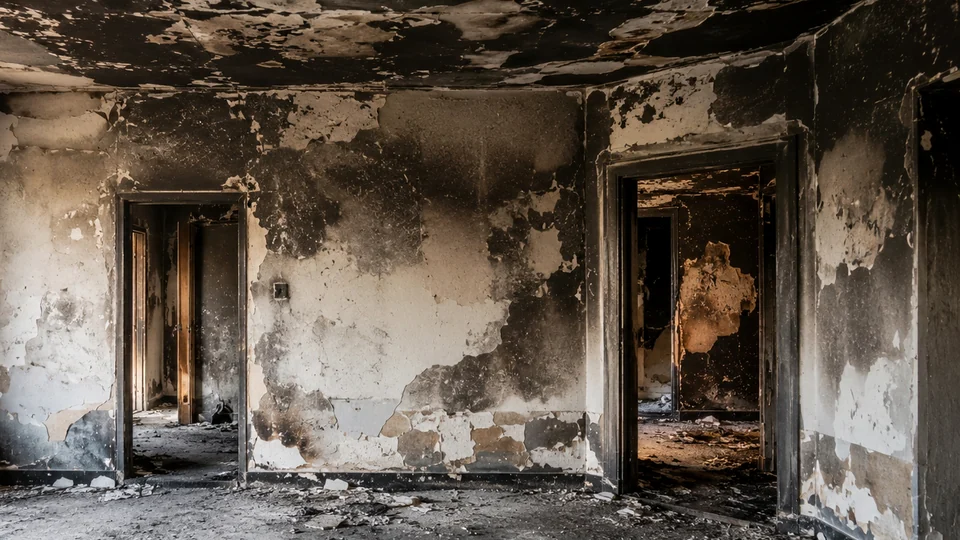
Disconnection, heating and insulation damage may accompany different technical processes. To investigate the cause, a sequence is established: equipment operation before the incident, initial signs, protective device tripping, loss of power and subsequent restoration actions. Timestamps from different sources are compared with regard to their accuracy, rather than combined into one record without explanation.
For an intermittent fault, an observation log is useful: date, time, duration, appliances operating and indicator status. Where an automatic recorder is available, preserve the original file and recording settings. The absence of an event in a short recording does not rule out its occurrence outside the selected period.
Where there are signs of an incident, safety is first secured with the assistance of the relevant specialist service. There is no need to energize a damaged circuit, open the panel or disconnect conductors yourself to obtain another photograph. If emergency work has already been performed, document its extent and provide records of component replacement. This will allow assessment of which signs remain and which have been lost.
If a damaged component has already been removed by an emergency service, preserve the available information about where it was installed, its markings and the replacement date. A sample without this link does not allow a finding to be confidently attributed to the disputed circuit. There is no need to dismantle or clean the component yourself: information about its origin, photographs before removal and records of the work performed may be more significant than a new close-up photograph.
The location of the damage, the condition of connections, cables and protective devices, and available signs of thermal exposure are analyzed.
Electrical connections, load, the condition of terminals and protective devices, and signs of prolonged heating are assessed.
Signs of moisture and corrosion are documented, the connection between damage and water ingress is examined, and the extent of restoration required is determined.
Do not discard damaged components or clean away signs of melting before inspection; preserve photographs, emergency service records and data about protective device tripping.
Attach the contract, design documentation, estimate, records and photographs, and briefly describe the purpose of your inquiry. If the form does not work, email zapros@elektrika.moscow.