
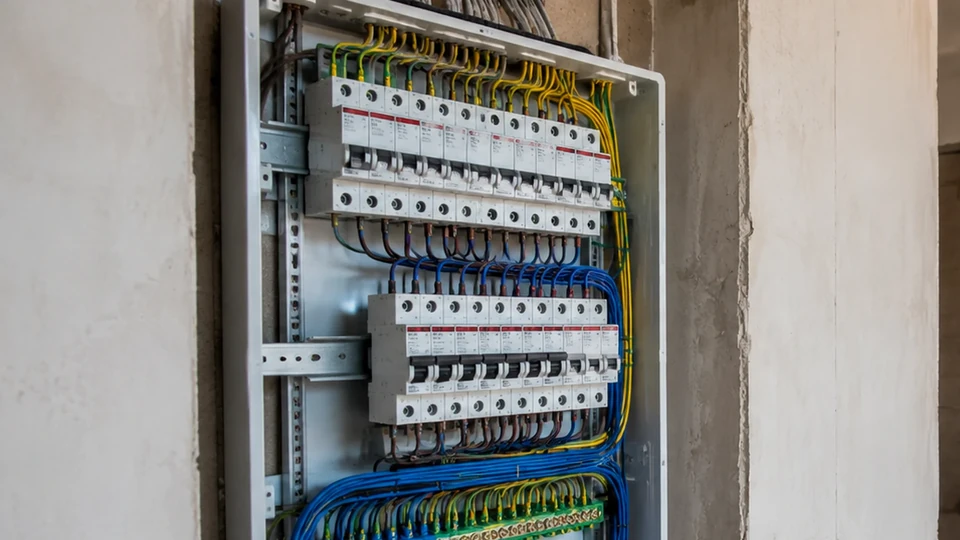
Overheating in an electrical panel may manifest as darkened insulation, signs of melting, a distinctive smell, localized heating of a device housing or repeated protective device tripping. These signs do not automatically identify a single cause: a conclusion requires comparing equipment condition, installation, load and documents.
What may cause overheating
- a loose or incorrectly made electrical connection;
- a device unsuitable for the actual load;
- damage to a terminal, busbar or conductor;
- an unsuitable conductor termination method;
- a defect in the protective device itself;
- uneven or prolonged loading.
What is important to preserve
Before replacement, it is advisable to document an overall view of the panel, the device arrangement, circuit labels and a close-up of the damaged area. Removed circuit breakers, terminals and conductor fragments should not be discarded: they may contain significant traces.
Which documents help the examination
The design or single-line diagram, installation contract and estimate, measurement records, connected load information, photographs before repair and emergency service documents are useful.
Possible questions
- whether there are signs of unacceptable overheating;
- the probable technical mechanism of the damage;
- whether the installed equipment conforms to the solutions provided;
- which components require replacement or additional measurements;
- whether operation is possible before the defects are remedied.
Do not open the panel, tighten terminals or perform live measurements yourself. A qualified specialist must ensure safe operation before inspection.